
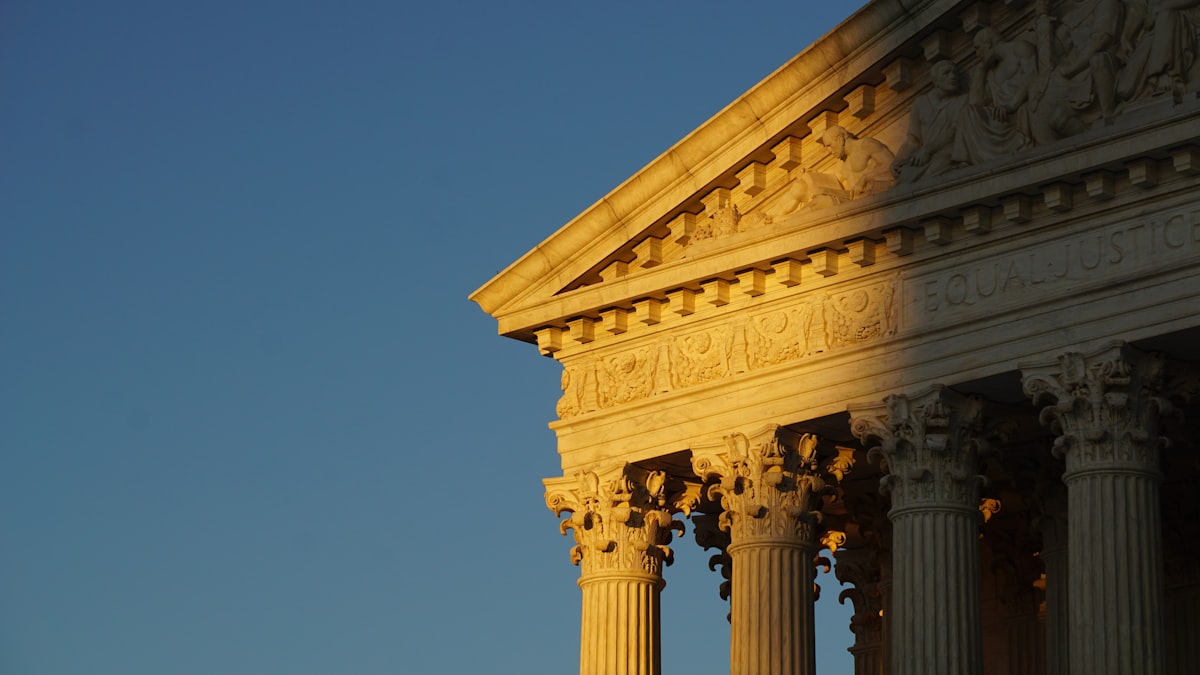
Supreme Court Insights: Justices' Absence at the State of the Union
The absence of Supreme Court justices at the State of the Union address has raised questions regarding the judiciary's relationship with the political landscape in the United States. Traditionally, the presence of justices at such high-profile political events symbolizes a unified front among the branches of government and serves to reinforce the concept of checks and balances. However, their absence has implications that extend beyond mere optics.
Historically, Supreme Court justices have attended the State of the Union, aligning themselves with the legislative and executive branches. Their presence has often been viewed as a sign of political neutrality and independence, reinforcing public trust in the judiciary as a non-partisan entity. Yet, the decision to refrain from attending this year's address could signal a shift, inviting speculation about the implications for public perception of the Court's political neutrality.
Moreover, this absence may reflect broader tensions between the judiciary and the executive branch, particularly when judges have increasingly been caught in the crossfire of political debates. As the Supreme Court takes on more politically charged cases, the question of whether justices can retain impartiality becomes more pertinent. Public perception of the Court’s political neutrality is crucial; as the Court becomes perceived as leaning toward political alignments, it risks undermining the legitimacy of its rulings in the eyes of the public. The implications could extend to the Court’s decisions and its long-term perception as an unbiased arbiter of justice.

In this context, it is essential for legal professionals to consider how these dynamics affect public trust and the legitimacy of judicial proceedings. As we analyze the evolving role of the Supreme Court, we must remain vigilant about how perceptions of bias or partisanship may influence not only public opinion but also the workings of the legal system itself.
Copyright Disputes: Isaac Hayes Estate vs. Trump Campaign
The recent settlement between the estate of Isaac Hayes and the Trump campaign has highlighted critical issues surrounding copyright disputes, particularly the unauthorized use of artistic works in political contexts. The estate had previously filed a complaint alleging that the campaign used Hayes' iconic song "Soul Man" without permission during a political rally, raising significant legal questions regarding the use of copyrighted material in campaigns.
This case serves as a reminder of the legal implications of using artistic works without proper authorization. Copyright law vigorously protects the rights of creators, ensuring that their works are not exploited without consent or fair compensation. The outcome of this case reinforces the importance of obtaining necessary licenses when using copyrighted material, especially in a politically charged environment where the stakes are high and the potential for public backlash is significant.
Furthermore, the role of music rights in political campaigns cannot be overlooked. Campaigns often leverage popular music to evoke emotions and connect with voters. This incident provides a critical lesson for campaign managers and legal advisors: the necessity of understanding copyright laws in the political arena. The music industry can be sensitive to unauthorized use, and campaigns must tread carefully to avoid legal repercussions that could overshadow their messaging.
As legal professionals, it is vital to advise clients on the complexities of copyright laws and to promote best practices for compliance. With increasing scrutiny on the use of artistic works in politics, organizations must ensure they have robust policies in place to navigate these challenges effectively.
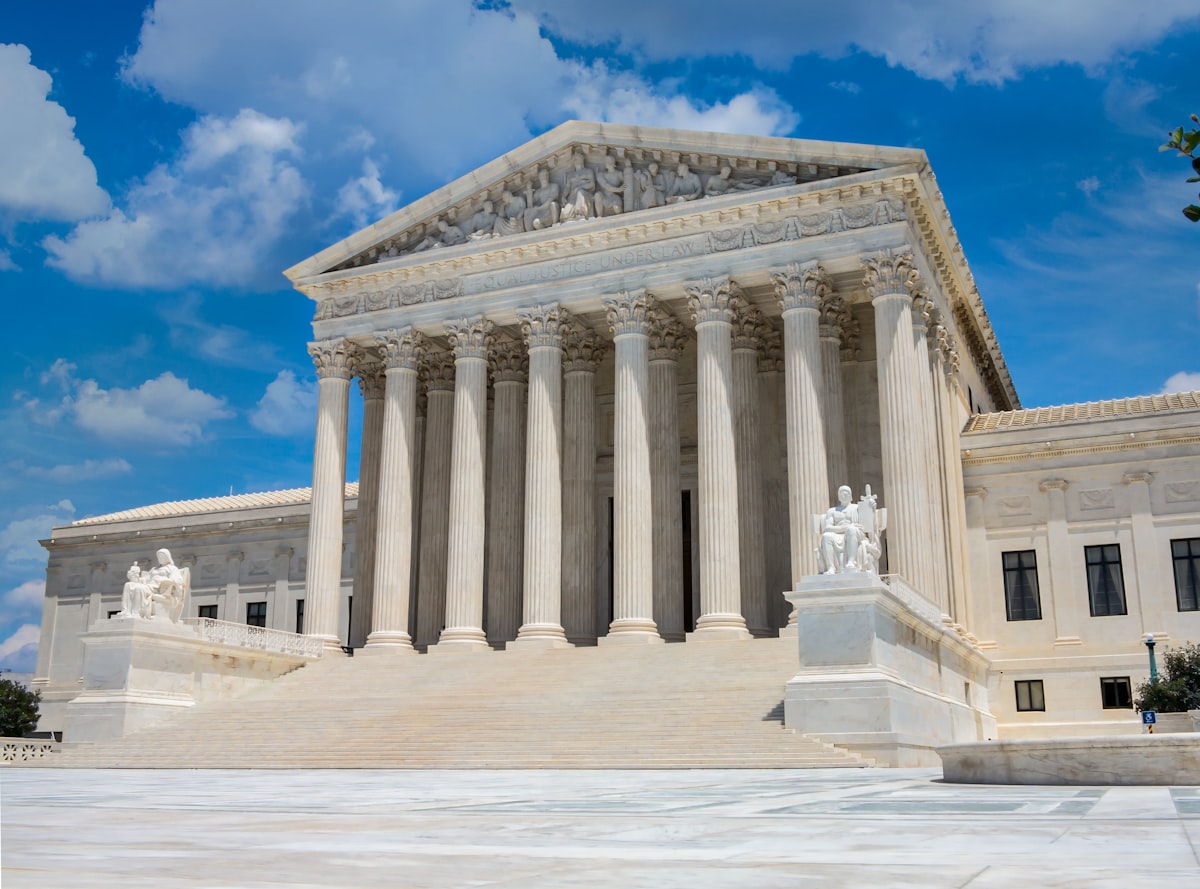
In an evolving legal landscape, understanding the nuances of copyright and the implications of unauthorized use will be crucial for any future political campaign. The Isaac Hayes case underscores the importance of legal awareness in the intersection of art and politics.
Judicial Infrastructure: Calls for Reform
The current state of judicial infrastructure in the United States has come under scrutiny, with many calling for urgent reforms to address the deficiencies in funding and resources that plague the system. Many judges have voiced concerns about the impact of underfunding on their ability to deliver justice effectively. As courtrooms struggle with overcrowding and outdated technology, the efficacy of the judicial process is compromised.
Funding and resource allocation have emerged as significant hurdles, with a growing acknowledgment that insufficient investment in judicial infrastructure can lead to delays in case processing and increased backlog. Judges have expressed frustration over the limitations imposed by their operating environments, which can impede their ability to render timely and fair judgments.
Potential solutions to address these challenges include advocating for increased government funding, exploring public-private partnerships, and implementing technology-driven solutions. For instance, courts could leverage emerging technologies to streamline processes and improve case management. Automated systems for scheduling and filing, such as AI phone assistants, can alleviate some of the administrative burdens on court staff, allowing for a more efficient operation.
As legal professionals, we have a responsibility to advocate for judicial reform by engaging with policymakers and stakeholders to emphasize the importance of a well-resourced judicial system. By promoting innovative solutions and facilitating discussions on effective funding strategies, we can help pave the way for meaningful changes that enhance access to justice for all.
Press Freedom: Court Blocks Government Device Seizures
A recent court ruling blocking the government's attempts to seize the devices of reporters has sparked discussions surrounding press freedom and journalistic integrity. This landmark decision reinforces the principle that the press should operate without fear of government overreach, a foundational element of democracy that safeguards the public's right to information.
The court's ruling is significant, as it acknowledges the delicate balance between national security and the need for transparency. In a climate where government surveillance and data collection have become increasingly prevalent, the decision asserts that protecting journalistic sources and materials is paramount. Such protections are fundamental for maintaining trust between the public and the media, which plays a crucial role in holding those in power accountable.
This ruling draws on historical precedents that underscore the importance of press freedom in a democratic society. From landmark cases that have defined the boundary between security and transparency to contemporary challenges faced by journalists, the legal landscape surrounding press freedom is continually evolving. Legal professionals must remain attentive to these developments, as they can have far-reaching implications for media practices and the rights of individuals to gather and disseminate information.
As advocates for justice and the rule of law, legal analysts must champion the protection of press freedoms. It is imperative to foster a legal environment where journalists can operate freely, without the threat of intimidation or reprisal. Understanding the nuances of this case will enable legal professionals to provide informed counsel to media organizations facing similar challenges.
SEC's New Enforcement Approach: A Shift in Legal Strategy
The Securities and Exchange Commission (SEC) has recently announced a significant shift in its enforcement strategy, which is expected to impact corporations and their compliance obligations. This new approach emphasizes proactive measures and a focus on preventing wrongdoing before it occurs, rather than solely relying on reactive enforcement actions.
This strategic shift reflects the evolving landscape of financial regulations and the complexities of legal risk management that corporations face today. Increased scrutiny on corporate behaviors necessitates that businesses adopt robust compliance frameworks to navigate the regulatory environment effectively. Companies that fail to adapt to these changes risk facing heightened enforcement actions and penalties.
With the SEC's renewed focus on compliance, it is imperative for corporations to reassess their internal controls and risk management practices. Organizations should prioritize compliance training, invest in compliance technology, and foster a culture of accountability within their teams. The implementation of real-time data analytics can serve as a powerful tool for corporate lawyers to identify potential risks and ensure adherence to regulations.
Legal professionals should stay abreast of these developments and advise clients accordingly. By helping organizations understand the implications of the SEC's new enforcement strategy, legal advisors can assist in mitigating legal risks and ensuring compliance in an increasingly complex regulatory environment.
Technology's Role in Legal Risk Management
Emerging technologies are playing an increasingly pivotal role in reshaping the management of legal risks for organizations. As legal professionals seek to navigate a rapidly changing landscape, the integration of technology into risk management strategies has become essential. The use of real-time data analytics enables corporate lawyers to make informed decisions and proactively address potential legal risks before they escalate.
Case studies from various industries illustrate the successful integration of technology in legal strategies. For instance, organizations that leverage automated platforms for contract management can minimize risks associated with compliance and ensure adherence to legal obligations. Additionally, tools such as AI-driven legal research can streamline processes, improving efficiency and accuracy in legal work.
Moreover, companies can utilize AI phone assistants to enhance client interactions and ensure that no inquiries go unanswered, even after hours. The implementation of such technologies allows legal teams to focus on higher-value tasks while improving overall client satisfaction.
As legal professionals, fostering a culture of innovation within organizations will be crucial for success in the future. Embracing technology not only streamlines operations but also enhances the ability to manage legal risks effectively. Continuous training and education on these emerging tools will empower legal professionals to leverage technology to their advantage.
Trade Attorneys in Turmoil: The Tariff Refund Chaos
The challenges facing trade attorneys in navigating the complexities of tariff refunds have intensified, leading to increased inquiries and a chaotic legal landscape. As tariffs have fluctuated amid ongoing economic uncertainties, businesses are grappling with the implications of these changes, resulting in a surge of questions directed at legal professionals for guidance.
The chaotic nature of the tariff refund process highlights the intricate web of regulations and compliance requirements that trade attorneys must navigate. Many businesses are uncertain about their eligibility for refunds and the documentation required to pursue claims. This uncertainty has created a spike in demand for legal counsel as companies seek to understand their rights and obligations amidst a rapidly changing economic environment.
Trade attorneys must be equipped to provide comprehensive guidance on navigating the complexities of tariff refunds and the broader implications of trade policies. This may involve advising clients on record-keeping best practices, ensuring compliance with applicable regulations, and advocating for clients' interests in refund claims.
As the economic landscape continues to fluctuate, the future outlook for trade law remains uncertain. Trade attorneys must remain vigilant and adaptable to changing regulations, ensuring they can effectively represent clients' interests in the face of ongoing challenges. Legal professionals should also consider proposing reforms or advocating for clearer guidelines to simplify the tariff refund process, thereby easing the burden on businesses and improving compliance.
High-Profile Legal Cases: Recent Convictions and Investigations
Recent high-profile legal cases have captured public attention, with significant implications for the individuals involved and the legal landscape as a whole. The conviction of Tom Goldstein for tax evasion serves as a stark reminder of the stringent legal obligations individuals face regarding financial compliance. As the Department of Justice (DOJ) ramps up its investigations and enforcement efforts, high-profile cases continue to face increased scrutiny from the public and the legal community.
In addition to Goldstein's conviction, the anticipated testimony of Hillary Clinton in connection with the Epstein probe has raised questions regarding the accountability of public figures and the potential ramifications for future legal proceedings. The DOJ's handling of these high-profile investigations is under the microscope, with many legal analysts questioning the fairness and transparency of the process.
As legal professionals, it is critical to analyze these cases not only for their immediate outcomes but also for the broader implications they present for public trust in the legal system. High-profile cases often serve as touchpoints for discussions surrounding legal ethics, accountability, and the role of prosecutors in ensuring justice.
Legal practitioners must be prepared to navigate the complexities posed by these high-profile cases. Maintaining ethical standards and ensuring the integrity of the legal process will be paramount for attorneys involved in such matters, as public scrutiny can significantly impact the perception of the legal profession as a whole.
Legal Ethics and Professional Conduct: Notable Cases
The implications of legal ethics and professional conduct have been underscored by notable recent cases that have raised important questions about the responsibilities of attorneys. The criminal charges faced by a former prosecutor have sparked renewed discussions about ethical standards within the legal profession and the consequences of misconduct.
For attorneys facing fraud charges, the potential consequences can be severe, not only jeopardizing their careers but also eroding client trust. Maintaining ethical standards in a challenging legal landscape is essential, and legal professionals must remain vigilant to avoid actions that could compromise their integrity and the reputation of the profession.
As the legal landscape continues to evolve, the importance of fostering a culture of ethics within law firms and legal organizations cannot be overstated. This involves implementing robust training programs on ethical conduct, promoting transparency in decision-making processes, and encouraging open dialogue about ethical dilemmas that may arise in practice.
Legal professionals must also be prepared to address the realities of a changing legal environment, where compliance and ethics are under constant scrutiny. By championing ethical practices and upholding the highest standards of conduct, attorneys can contribute to rebuilding public trust in the legal profession.
In conclusion, the latest legal news presents a dynamic landscape marked by significant developments across various sectors. From the implications of judicial attendance at political events to challenges in trade law and the evolving role of technology in legal risk management, these issues underscore the complexities legal professionals must navigate. Engaging with these topics will empower legal practitioners to advocate effectively for their clients while promoting a more just and equitable legal system.