
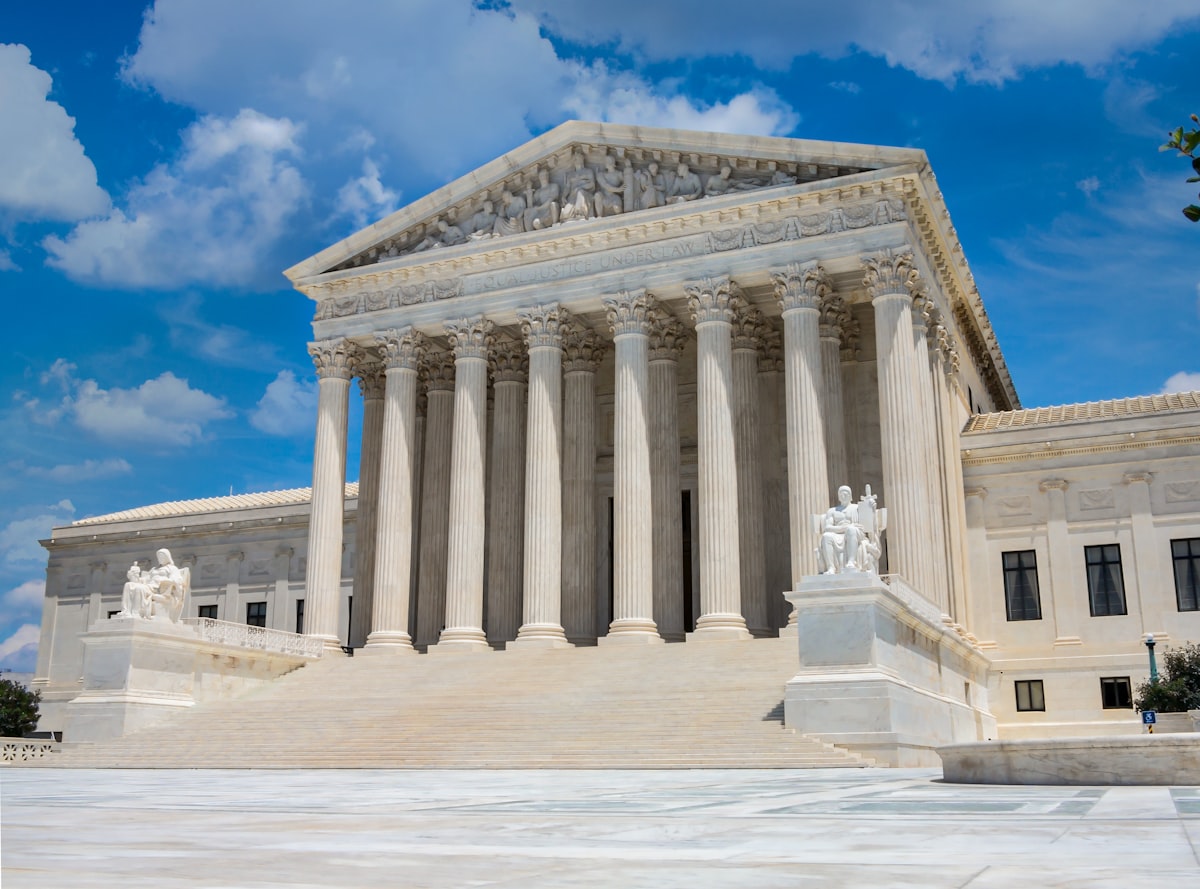
Recent Supreme Court Decisions
The Supreme Court has recently made headlines with its refusal to block judgments against Palestinian groups, a decision that underscores the complexities surrounding issues of terrorism and international law. This ruling may set significant precedents for similar cases in the future, as it showcases the Court's approach to balancing free speech rights with national security concerns.
In its latest decision, the Supreme Court allowed lower court rulings that held Palestinian organizations liable for acts of terrorism perpetrated against American citizens. This outcome has stirred public debate, particularly regarding the implications for organizations that support Palestinian causes, raising questions about how the labels of terrorism are applied in legal contexts. Legal analysts note that this case could influence future litigation involving terrorism and the involvement of foreign organizations in U.S. legal frameworks.
Public reactions have varied, with some viewing the decision as a necessary measure to hold organizations accountable for violence, while others criticize it as an infringement on free expression and a potential weapon against legitimate activism. Legal precedents set by this ruling may affect not only organizations associated with similar causes but could also extend to broader interpretations of terrorism in legal contexts.
As we observe these developments, it is essential to analyze how the Supreme Court's decisions will shape future litigation strategies—particularly for civil rights advocates and legal practitioners who navigate the delicate balance between national security and civil liberties.

Legislative Developments Impacting Legal Practices
Recent legislative changes have also captured the attention of legal practitioners, particularly a new law aimed at curbing the activities of the Ku Klux Klan (KKK). This law represents a strong governmental stance against hate groups, proposing significant penalties for organizations that engage in racially motivated violence. The implications for current governance are profound; as the law is implemented, it may redefine how hate crimes and extremist activities are prosecuted. Legal professionals must navigate these changes, adjusting their strategies accordingly.
However, there is a growing concern about the potential weaponization of such legislation against political figures. The line between legitimate political discourse and hate speech can be nebulous, raising the risk of misuse. Legal practitioners must be vigilant in understanding the nuances of these laws to protect their clients from potential overreach. The implications of these legislative changes extend into the realm of political cases, where attorneys will need to be well-versed in new legal standards to effectively navigate the complexities involved.
As legislation continues to evolve, legal professionals must adapt their strategies to ensure they are compliant while also providing robust representation for their clients. This evolving landscape necessitates a proactive approach to legal education and practice, as attorneys must stay informed about new laws and their potential impacts on legal strategies.

High-Profile Legal Battles: Trump and His Allies
The ongoing legal battles involving former President Donald Trump have continued to dominate headlines, with various lawsuits raising significant questions about legal accountability and political ramifications. These cases range from allegations of fraud to issues concerning campaign finance, and their outcomes could have far-reaching implications for Trump’s political aspirations and business ventures.
One notable lawsuit involves Capital One, which is countering Trump's claims regarding the termination of his credit card services. Trump alleges that the bank's actions were politically motivated, suggesting a coordinated effort to silence him. Capital One’s defense hinges on the assertion that its actions were based on standard business practices and risk management protocols. The legal discourse surrounding this case will likely shape future business relationships with high-profile clients and influence how companies approach client management in politically charged environments.
The implications of these lawsuits extend beyond Trump’s immediate situation; they affect the broader landscape of political accountability. As Trump navigates these legal challenges, the outcomes will likely inform how future political figures engage with legal systems and manage their public personas. Legal professionals observing this case can glean insights into the intersection of business law and political strategy, highlighting the complexities that arise when high-profile figures face legal scrutiny.
Law Firm Mergers and Acquisitions: Industry Trends
The legal landscape has also been impacted by recent mergers and acquisitions within the industry, most notably Sidley Austin’s acquisition of practices from Hogan Lovells. This strategic move reflects a broader trend of consolidation among law firms, driven by the need to adapt to market demands and enhance service offerings to clients.
The impact of such mergers on law firm dynamics can be profound. Merging firms must integrate their cultures, practices, and client bases, which can be a complex process requiring significant strategic planning. Moreover, the consolidation may also enhance competitive advantages, allowing firms to pool resources, expand their service lines, and improve client responsiveness.
As firms continue to merge, legal professionals must remain agile, employing strategic foresight to adapt to these changes. The trends suggest that we may see further consolidation, particularly as firms seek to leverage technology and innovate their service delivery. Being at the forefront of these changes, legal practitioners must consider the implications for client relationships and service provision, ensuring they remain competitive in a rapidly evolving market.
Aggressive Litigation Tactics: Case Studies
The use of aggressive litigation tactics has raised significant concerns within the legal community, especially as corporations increasingly turn to legal battles to suppress competition. A case in point is comedian John Oliver's challenge to Buc-ee's, the popular chain of gas stations and convenience stores. Buc-ee's has taken legal action against Oliver for allegedly infringing on their trademark, leading to a public outcry over the perceived suppression of free speech.
This case illustrates the lengths to which corporations may go to protect their brand, raising important questions about the intersection of trademark law and public discourse. The public response to such aggressive legal tactics has been overwhelmingly negative, with many viewing these actions as an attempt to intimidate critics and stifle legitimate commentary.
Legal practitioners must navigate this evolving landscape with care. The implications of such litigation extend beyond individual cases, influencing how corporations engage with the public and respond to criticism. As aggressive tactics become more commonplace, attorneys must develop strategies that balance the need for vigorous advocacy with the principles of ethical practice and social responsibility.
Emerging Legal Issues in Trade and Tariffs
Trade and tariffs have emerged as critical issues in recent legal discourse, particularly as several states have initiated lawsuits challenging the legality of recent tariff policies. These legal disputes often hinge on the constitutional authority of the federal government versus the rights of states to challenge such policies in court.
The impact of these trade policies on state economies and legal frameworks cannot be overstated. States argue that tariffs harm their economies by increasing the costs of imported goods, thereby negatively affecting local businesses. Conversely, the federal government defends tariffs as necessary measures to protect national interests. This clash raises significant legal questions about the balance of power between state and federal governments.
The outcomes of these lawsuits could have longstanding implications for national trade agreements and the future of U.S. trade policy. Legal professionals must stay informed about these developments, as they will affect the landscape of trade law and the strategies employed by businesses navigating tariff-related issues.
The Evolving Landscape of Legal Ethics
Amidst these developments, the issue of legal ethics remains paramount. A recent critique of Paul Weiss, a prominent law firm, has raised questions about the ethical standards upheld within the legal profession. The firm has faced scrutiny for its involvement in high-stakes cases that some argue compromise ethical standards in favor of financial gain.
Legal professionals must grapple with ethical dilemmas that arise in high-profile cases, especially as public scrutiny increases. Balancing client interests with ethical obligations is a complex task, and attorneys must remain vigilant in upholding the integrity of the legal profession. The implications of these ethical standards can influence public trust in the legal system, making adherence to ethical principles essential for maintaining credibility and fostering confidence among clients and the broader community.
Legal Trends and Predictions for the Future
As we survey the current legal landscape, several key trends have emerged from recent cases and decisions. The increasing complexity of legal issues, coupled with the rise of digital technologies and changing societal norms, is reshaping the practice of law. Legal professionals must anticipate these changes and adapt their strategies accordingly.
Predictions for the future indicate that we will see a greater emphasis on technology integration within legal practices. Tools like AiScriba, which offer AI-driven solutions for managing client interactions and scheduling, exemplify the modernization of the legal industry. These innovations provide attorneys with the ability to streamline operations, allowing them to focus on higher-value tasks while ensuring that client inquiries are addressed promptly and effectively.
In conclusion, legal professionals must remain agile in the face of these changing landscapes. By staying informed about emerging trends and adapting their practices accordingly, attorneys can position themselves for success in an increasingly complex legal environment. Continuous education and a commitment to ethical standards will be paramount as the legal profession evolves.