Recent Supreme Court Developments
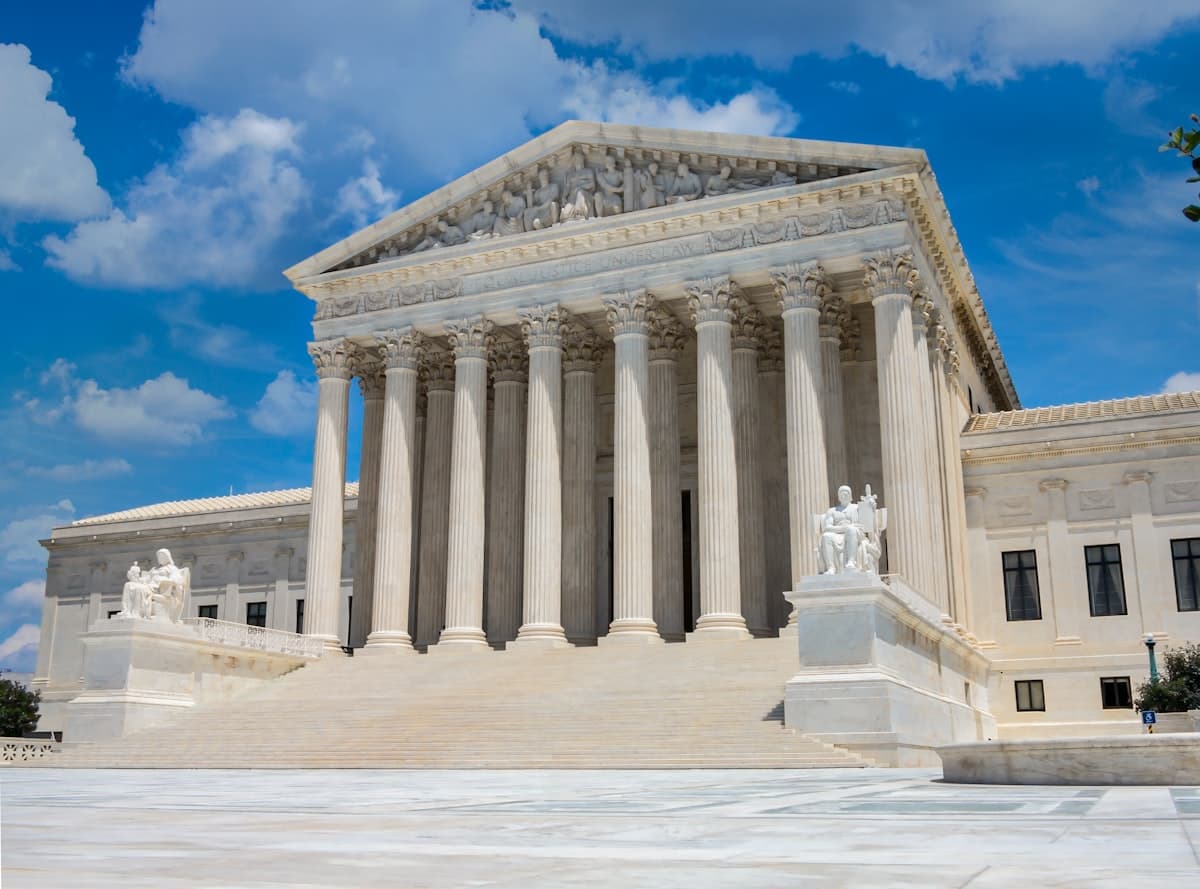
The Supreme Court of the United States remains a focal point for significant legal developments that can reshape the landscape of American law. Recent rulings and discussions have highlighted both the acting Justices' individual decisions and broader trends that reflect the Court's stance on pressing issues such as climate change and electoral integrity. This section will provide an analysis of Justice Alito's recusal and its implications for future climate cases, discuss the Supreme Court's position on gerrymandering and voter disenfranchisement, and evaluate the impact of these rulings on legal precedent and public perception of the judiciary.
Justice Samuel Alito's recent recusal from a high-profile climate change case has raised eyebrows across the legal community. His decision stems from potential conflicts of interest and has ignited discussions on the implications for future cases involving environmental regulations. As climate change litigation becomes increasingly prominent, the absence of a Justice with Alito's perspective could significantly influence outcomes. This raises concerns about the Court's ideological balance, particularly in cases where climate legislation is challenged. These developments not only impact legal precedents but also shape public perception regarding the Court's commitment to addressing critical issues. Observers are left to ponder whether this recusal signals a shift toward a more cautious approach in handling climate-related disputes.
Another pivotal area of discussion is the Supreme Court's evolving stance on gerrymandering and voter disenfranchisement. The Court has wrestled with cases that challenge state-level redistricting practices, often accused of manipulating district boundaries for political gain. In a recent ruling, the Supreme Court reaffirmed the notion that partisan gerrymandering claims could not be adequately resolved through federal courts, effectively leaving the issue to state legislatures. This decision has significant implications for voter representation and access to the electoral process. Critics argue that such rulings may exacerbate voter disenfranchisement, while proponents contend it preserves the integrity of state sovereignty.
The ramifications of these rulings extend beyond legal precedent; they influence public trust in the judiciary. As citizens observe the Court's decisions, their perception of judicial impartiality and efficacy may wane or strengthen accordingly. Legal professionals must remain vigilant in understanding these trends and their potential impacts on client concerns and broader societal implications.

The Intersection of AI and Legal Services
As the legal sector continues to evolve, law firms are increasingly integrating artificial intelligence (AI) tools to streamline operations and enhance client services. AI's role in legal services is multifaceted, encompassing everything from document review to predictive analytics, enabling law firms to operate more efficiently and cost-effectively. This section will provide an overview of law firm integration of AI tools, discuss client expectations regarding AI discounts, and explore ethical considerations associated with AI utilization.
According to a recent survey, nearly 70% of law firms report having implemented AI technologies to improve their workflows. These tools have transformed traditional practices, allowing attorneys to focus on higher-level strategic work rather than mundane tasks. For instance, AI-powered platforms can assist in automating routine tasks such as scheduling appointments and managing client inquiries. Platforms like AiScriba (aiscriba.com) help legal services businesses handle calls around the clock, ensuring that no inquiries go unanswered, even after hours. This capability not only enhances client satisfaction but also allows law firms to allocate resources more effectively.
However, the integration of AI tools has led to evolving client expectations. Many clients now assume that AI efficiencies should translate into lower legal fees, resulting in rising misconceptions about the role of AI in legal services. Clients may underestimate the complexities involved in legal work, believing that AI can handle any task without human oversight. Legal professionals must navigate these perceptions by educating clients on the value that human expertise brings to the table. Additionally, transparency in billing practices can help manage client expectations regarding the pricing of AI-assisted services.
As law firms embrace AI technology, ethical considerations become paramount. The use of AI raises questions about confidentiality, bias in AI algorithms, and the overall impact on the attorney-client relationship. For instance, relying solely on AI for legal advice could compromise the quality of legal representation, as AI lacks the nuanced understanding of legal standards and individual case specifics. Legal professionals must strike a balance between leveraging technology and maintaining ethical standards, ensuring that AI serves as a complement to, rather than a replacement for, human judgment.

Disbarment Cases: A Reflection on Legal Ethics
The field of law is governed by strict ethical standards designed to uphold professionalism and integrity. Disbarment cases serve as critical reflections of these standards, shining a light on the consequences of unethical behavior within the legal community. This section will examine a notable case involving a father-son duo facing disbarment, explore the ethical standards governing legal professionals, and discuss the implications of disbarment on careers and the broader legal community.
In a highly publicized case, a father-son legal team faced disbarment due to ethical violations that raised questions about their long-standing practice. The allegations included misappropriation of client funds and failure to maintain adequate records. This case serves as a stark reminder of the ethical obligations that legal professionals must adhere to, emphasizing the importance of transparency and accountability. The implications for legal families are profound; the fallout from disbarment can extend beyond the individuals involved, impacting their clients, colleagues, and the community at large.
Legal ethics are defined by established standards and codes of conduct, often outlined by state bar associations. These ethical guidelines dictate the expected behavior of attorneys, ensuring that they act in their clients' best interests while upholding the integrity of the legal system. Disbarment is the most severe consequence for violations of these ethical standards, resulting in the permanent loss of the right to practice law. The consequences of disbarment extend far beyond individual careers, as they can erode public confidence in the legal profession and the justice system as a whole.
Moreover, disbarment cases can serve as a cautionary tale for other legal professionals. They highlight the importance of maintaining ethical standards and the potential fallout from ethical lapses. Law firms should foster a culture of ethics through ongoing education and training, ensuring that all members of the firm understand their obligations and the consequences of unethical behavior.
The Role of Prosecutors in Contemporary Justice
Prosecutors play a pivotal role in the justice system, serving as gatekeepers of legal accountability and advocates for victims. However, their position is increasingly complicated by political influences and public perceptions. This section will analyze a recent retirement letter from a Chicago federal prosecutor that critiques the Trump administration, explore the impact of political pressures on prosecutorial decisions, and discuss the balance between justice and politics in contemporary prosecution.
The Chicago federal prosecutor's retirement letter became a focal point of discussion, as it explicitly criticized the political climate fostered under the Trump administration. This unprecedented act of public dissent raised questions about the role of political influence in prosecutorial discretion and the autonomy of the justice system. Prosecutors are often caught in a delicate balance between their duty to uphold the law and the political pressures that may seek to sway their decisions. This dynamic can foster skepticism among the public regarding the integrity of prosecutorial actions.
Moreover, the interplay between politics and prosecution can have profound implications for public trust in the legal system. When citizens perceive prosecutors as politically motivated rather than impartial arbiters of justice, their confidence in the system diminishes. Conversely, when prosecutors maintain independence and prioritize justice over political considerations, they can work to rebuild public trust. This balance is essential for a healthy justice system, as the legitimacy of legal outcomes hinges on the perception of fairness and neutrality.
Additionally, the role of prosecutors is evolving in the context of social movements and calls for criminal justice reform. As public sentiment shifts toward accountability and equitable treatment, prosecutors are increasingly expected to consider the broader implications of their decisions on community wellbeing. This expectation prompts legal professionals to engage in ongoing discussions about their responsibilities and the mission of the prosecutors' office in serving justice effectively.
Challenges in Legal Journalism
Legal journalism serves a critical function in society by providing transparency and accountability in the justice system. However, recent challenges faced by media organizations have raised concerns about the future of legal coverage. This section will explore the impact of McClatchy’s newsroom cuts on local court coverage, the importance of robust legal journalism, and strategies for law firms to engage effectively with the media.
McClatchy's recent cuts to its newsroom operations have underscored the challenges facing local journalism, particularly regarding coverage of legal proceedings. As media outlets reduce staff and resources, local court coverage suffers, diminishing public awareness of judicial matters. This has profound implications for the justice system, as an informed public is crucial for maintaining accountability and understanding the legal process. A lack of legal coverage can lead to a disconnect between the legal community and the public, resulting in mistrust and skepticism regarding the judiciary's actions.
Robust legal journalism is essential for a transparent justice system. Investigative reporting on court proceedings, legal ethics, and public interest cases not only informs citizens but also serves as a check on judicial and prosecutorial conduct. The decline of legal journalism raises urgent questions about how to maintain a well-informed public and ensure that legal matters remain transparent and subject to scrutiny.
Law firms can play a proactive role in engaging with media to enhance coverage and foster public understanding. By building relationships with journalists and participating in discussions about legal issues, law firms can offer valuable insights that contribute to informed reporting. Additionally, firms can leverage digital platforms to disseminate information about legal developments, ensuring that the public remains engaged and informed.
Legal Professionalism and Ethical Conduct
Professionalism in the legal field is a cornerstone of effective practice, with ethical conduct serving as a guiding principle. This section will explore a recent case involving a lawyer fined for attending a hearing from a train, discuss the importance of maintaining professional standards in a remote working environment, and examine the implications for future legal conduct and client expectations.
The case of a lawyer fined for attending a hearing via video link from a train has sparked discussions about what constitutes professionalism in the legal profession. While the flexibility of remote attendance can enhance accessibility, it also raises questions about the appropriateness of such settings for legal proceedings. The incident underscores the need for legal professionals to maintain standards of decorum and professionalism, regardless of the format of their participation.
In an era where remote work has become commonplace, maintaining professional standards becomes increasingly challenging. Legal professionals must adapt to new ways of working while upholding the integrity of their practice. This involves establishing boundaries and ensuring that the quality of representation is not compromised by the distractions associated with remote work environments.
Future expectations of legal conduct will likely continue to evolve as clients become more accustomed to technology-driven practices. Legal professionals must strive to meet these expectations while reinforcing the importance of professionalism. Engaging in ongoing training and discussions about ethical conduct can help shape a culture of professionalism that prioritizes client trust and confidence in the legal process.
Emerging Trends in Legal Education
The legal education landscape is undergoing significant transformation, driven by the changing demands of the profession and the challenges faced by new graduates. This section will examine the correlation between law school grades and bar passage rates, explore how law schools are adapting their curricula, and discuss the role of experiential learning in shaping competent legal professionals.
Research has demonstrated a complex relationship between law school performance and bar exam success. While high grades may correlate with greater likelihood of passing the bar, they do not always capture a student's readiness for legal practice. As a response to this insight, law schools are re-evaluating their curricula to better align with the skills and competencies required in modern legal practice.
To prepare students for the realities of legal work, many law schools are incorporating experiential learning opportunities into their programs. Clinics, externships, and simulation courses are designed to bridge the gap between theory and practice, equipping students with practical skills that enhance their employability. This shift reflects a broader trend toward hands-on learning in legal education, emphasizing the importance of real-world experience in developing competent legal professionals.
As legal education evolves, the focus on preparing students for modern challenges is paramount. Schools must continue to innovate and adapt their teaching methods to ensure that graduates emerge as competent, ethical practitioners ready to navigate the complexities of the legal landscape.
Public Perception and Trust in the Legal System
Public trust in the legal system is foundational to its legitimacy, yet recent trends suggest a growing sentiment of skepticism among citizens. This section will explore public sentiment regarding legal proceedings, the influence of high-profile cases on public trust, and strategies for legal professionals to rebuild and enhance confidence in the justice system.
Surveys indicate a concerning decline in public confidence in the justice system, with many citizens expressing doubts about its fairness and effectiveness. High-profile cases involving perceived judicial bias or prosecutorial misconduct have exacerbated this distrust, leading to calls for reform and greater accountability. The media's role in shaping public perceptions cannot be overstated, as sensationalized coverage can amplify skepticism and cynicism regarding legal proceedings.
To rebuild public trust, legal professionals must engage in proactive outreach efforts aimed at fostering transparency and accountability. Open communication about legal processes, ethical standards, and the role of the judiciary can help demystify the justice system for citizens. Additionally, law firms can take an active role in community engagement, participating in initiatives that promote legal literacy and awareness.
Ultimately, the health of the legal system relies on the trust and confidence of the public it serves. Legal professionals must prioritize ethical conduct and transparency to cultivate a renewed sense of trust in the justice system, recognizing that their actions have far-reaching implications for societal perceptions of fairness and justice.